
Power of attorney
Written authorization to act on another's behalf in legal matters.

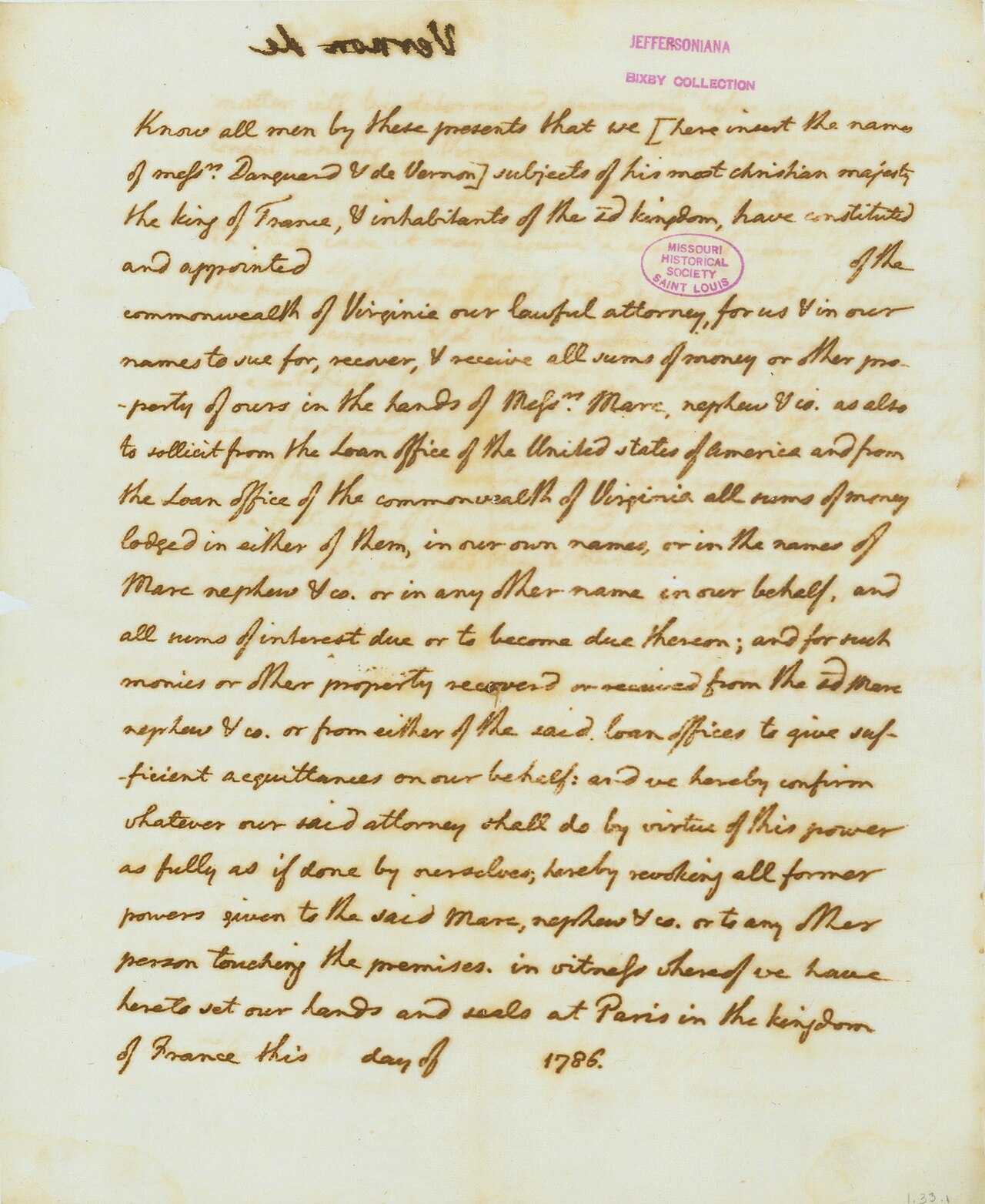
Jefferson, Thomas, 1743-1826 · Public domain
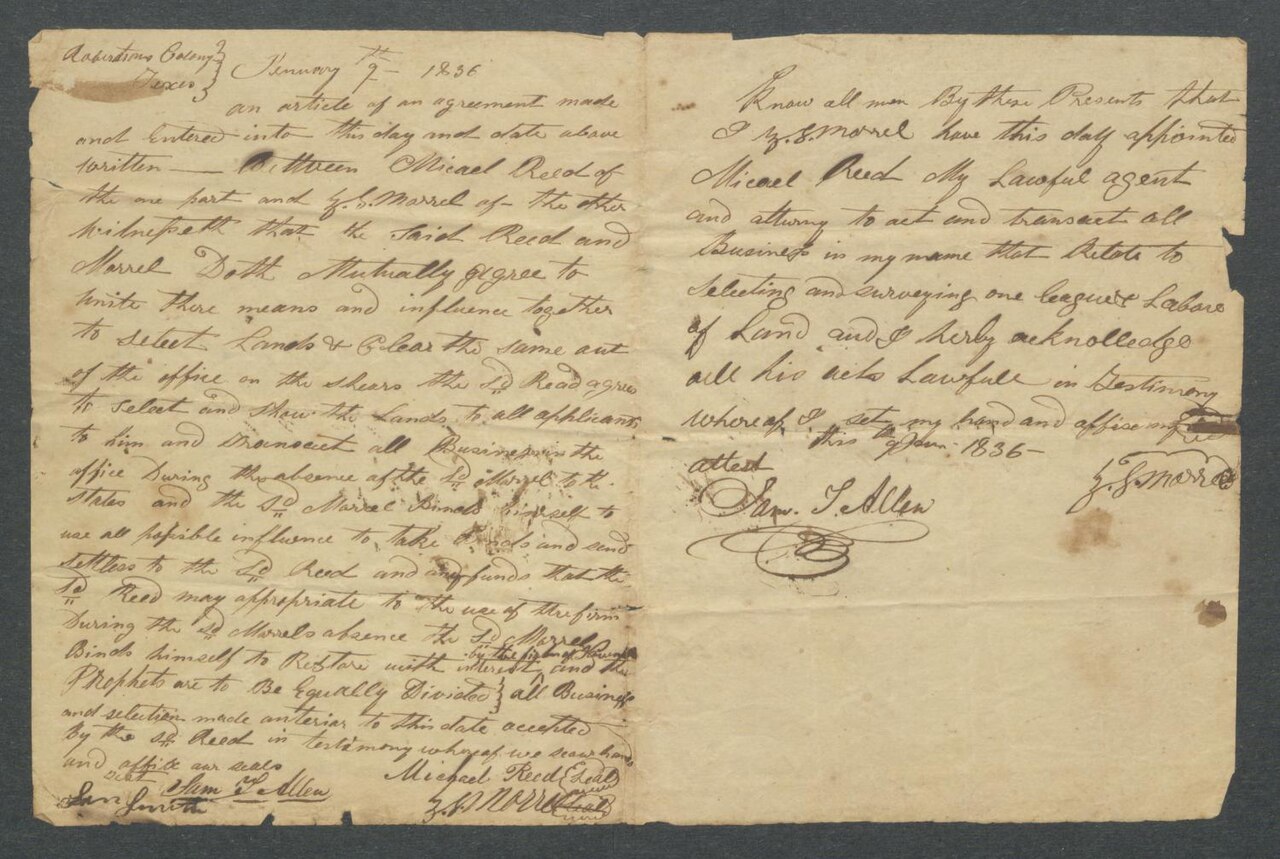
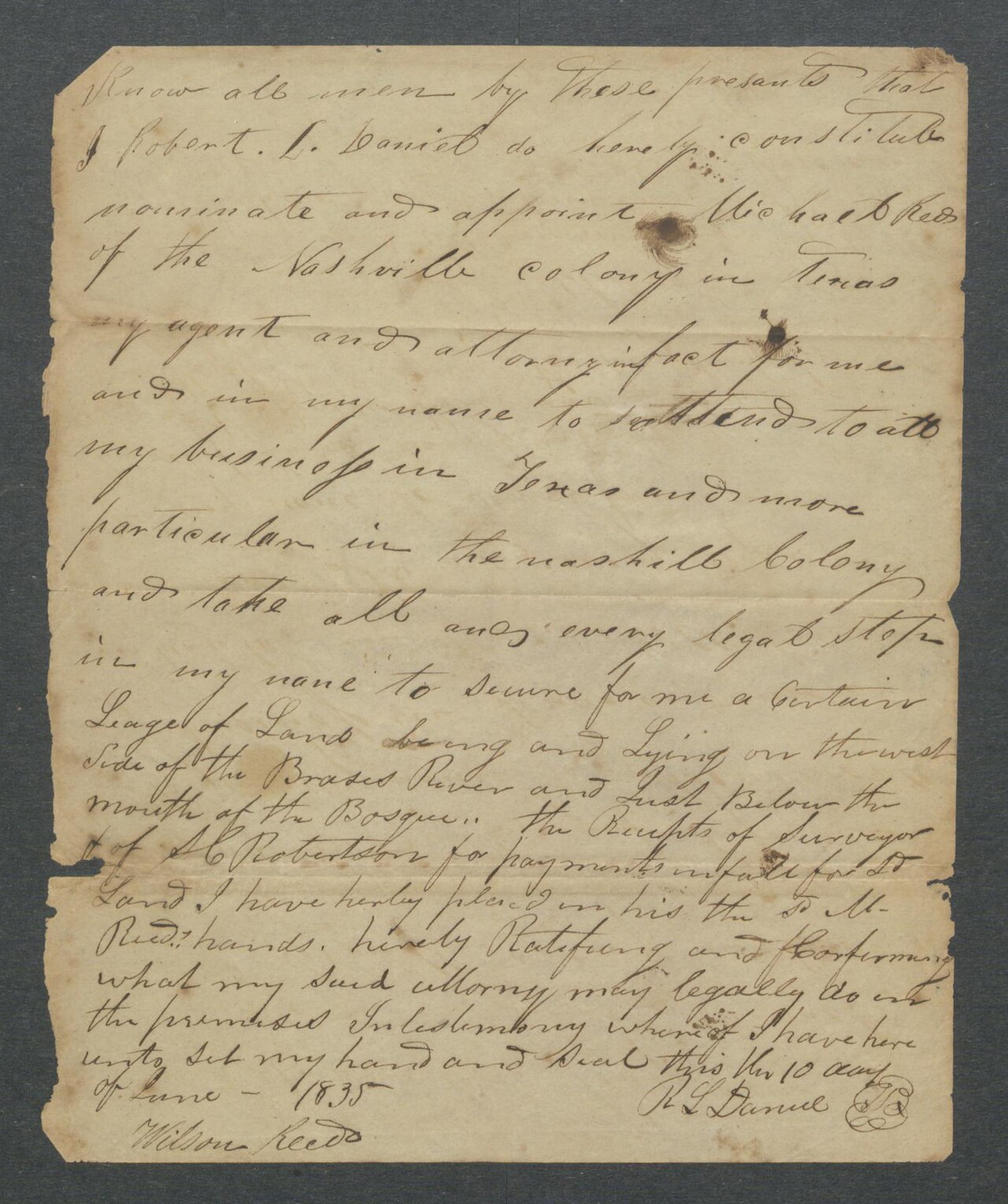
A power of attorney (POA) or letter of attorney is a written authorization to represent or act on another's behalf in private affairs, business, or other legal matters. The person authorizing the other to act is the principal, grantor, or donor; the one authorized is the agent, attorney, or attorney-in-fact. This legal instrument allows for delegation of authority in financial, health, and welfare matters, and its validity and requirements vary by jurisdiction.
- type
- Legal instrument
- key_terms
- Principal, grantor, donor, agent, attorney-in-fact
- common_uses
- Financial, health care, business, legal matters
- requirements
- Signed and dated by principal; may require witnesses or notarization
- variants
- Special, general, temporary, durable, springing, health care
Lore & Background
A power of attorney can be oral or written, though many institutions require it in writing. The equal dignity rule mandates that if the act the agent will perform requires a certain formality (e.g., a written contract for real estate), the authorization must also be in that form. Execution requires at least the principal's signature and date; some jurisdictions also require witnesses or notarization to increase legal enforceability.
Reader's Guide
The power of attorney is significant because it enables individuals to delegate decision-making authority for financial, health, and personal matters, particularly in cases of absence or incapacity. Its durability provisions allow it to remain effective after the principal becomes incapacitated, avoiding the need for court-appointed guardianship. However, the power can be misused, such as in elder abuse, because the attorney-in-fact acts as a fiduciary and must be honest and loyal. The distinction between attorney-in-fact (a layperson) and attorney-at-law (a licensed advocate) is crucial in jurisdictions like the United States. The Uniform Power of Attorney Act uses the term 'agent' for the attorney-in-fact. The springing power of attorney, which takes effect only upon a future event like incapacity, requires precise definition of triggering conditions and may face institutional resistance. Health care powers of attorney allow agents to make end-of-life decisions, sometimes combined with an advance health care directive (living will) in a single document, as in California, or kept separate, as in New York.
Did You Know?
- A power of attorney may be oral and still hold up in court in some jurisdictions.
- The term 'attorney-in-fact' is used in many jurisdictions instead of 'agent' and should be distinguished from 'attorney-at-law'.
- In an unincorporated reciprocal inter-insurance exchange, the attorney-in-fact acts as a stakeholder/trustee for subscriber funds.
- A durable power of attorney can be revoked or changed as long as the principal is still mentally competent.
The Principal-Agent Relationship and Fiduciary Duty
A power of attorney establishes a legal relationship between two distinct parties: the individual granting authority (variously called the principal, grantor, or donor) and the individual receiving it (called the agent, attorney, or attorney-in-fact). This nomenclature matters because the attorney-in-fact is fundamentally different from an attorney-at-law. In the United States, an attorney-at-law is a solicitor additionally licensed to advocate in a particular court, whereas an attorney-in-fact may be an ordinary layperson operating strictly within the powers conferred by the document. Under the Uniform Power of Attorney Act, the agent functions as a fiduciary, meaning the law obligates complete honesty and unwavering loyalty toward the principal in every interaction. That fiduciary duty exists precisely because the arrangement carries inherent risk: an agent wielding broad authority over another person's finances or welfare could exploit a vulnerable or absent individual, a pattern that surfaces in cases of elder abuse. In the specialized setting of unincorporated reciprocal inter-insurance exchanges, the attorney-in-fact assumes a custodial role, taking possession of subscriber funds, disbursing insurance claims, and returning any remaining balance to the subscribers once all obligations are settled.
Mental Capacity and the Durable Power of Attorney
A foundational prerequisite for creating a valid power of attorney is that the grantor possesses sufficient mental capacity at the moment of execution. A person who has already lost that capacity cannot validly delegate authority, and in such circumstances the only remaining legal avenue for another party to act on their behalf is a court-imposed conservatorship or guardianship. The law does, however, recognize a subtle nuance: in certain jurisdictions, a person may retain enough capacity to execute a power of attorney even while lacking the capacity to make the very decisions they are delegating. To address the practical problem that a standard power lapses the instant its grantor becomes incapacitated through physical injury or mental illness, the durable power of attorney was developed. Under this instrument, the principal explicitly states that the agent's authority endures beyond the grantor's loss of capacity, continuing until death or revocation. Importantly, a durable power can still be revoked or amended, but only while the principal retains the mental competence to make that decision.
Formal Requirements and the Equal Dignity Rule
Historically, the distinction between a "power" (an instrument signed under seal) and a "letter" (one merely signed by the parties) carried legal weight, though modern practice no longer demands a seal. Today, the minimum requirement for enforceability is that the document be signed and dated by the principal. Beyond that baseline, jurisdictions diverge: some mandate notarization, some require witnesses, and some accept a simple signature alone. Even where not legally required, having a notary public review, sign, and stamp the document strengthens its resistance to legal challenge. The equal dignity rule adds a further layer of formality: the authorization must match the formality of the act it enables. If selling real property requires a written contract under the Statute of Frauds, then the power authorizing that sale must itself be in writing. In common-law jurisdictions outside the United States, a power to execute a deed must itself be executed as a deed, in the presence of two witnesses. Many institutions, including banks, hospitals, nursing homes, and the Internal Revenue Service, insist on written documentation before they will honor any power of attorney.
Scope, Types, and Practical Limitations
Powers of attorney come in several configurations that determine the breadth and duration of the agent's authority. A special or limited power restricts the agent to a particular act or category of acts, while a general power permits the agent to make all personal and business decisions on the principal's behalf. A temporary power operates within a defined time frame. Regardless of type, the agent's authority has clear boundaries: an attorney-in-fact may act within the granted powers but may not perform acts that would constitute the unauthorized practice of law. In the United States, this means the agent cannot, for example, provide legal representation in a courtroom. The scope of authority also interacts with practical realities: if the agent is compensated, the payment arrangement may exist as a separate written contract, kept private between the principal and agent even when the power of attorney itself is presented to third parties so the agent can carry out duties. Revocation remains available at any time, provided the principal still possesses the mental capacity to make that decision.
Gallery

Frequently Asked Questions
What is a power of attorney in civil law?
A power of attorney is a written legal document that lets one person (the principal) formally authorize another person (the agent or attorney-in-fact) to make decisions and take actions on their behalf. It covers areas like finances, healthcare, and business dealings, and the specific rules governing it differ from one jurisdiction to another.
What are the key terms and roles in a power of attorney?
The person granting authority is called the principal, grantor, or donor, while the person receiving that authority is the agent, attorney, or attorney-in-fact. The agent acts strictly within the scope the principal defines and does not become the legal owner of the delegated matters.
What types or variants of power of attorney exist?
Common variants include special (limited to a specific task), general (broad authority), temporary (time-limited), durable (survives the principal's incapacity), springing (activates only upon a triggering event), and dedicated health-care POAs. Choosing the right variant depends on how much and what kind of authority the principal wants to delegate.
What are the basic requirements for a valid power of attorney?
At minimum, the document must be signed and dated by the principal, and many jurisdictions additionally require witnesses or notarization to confirm authenticity. The exact formalities vary by state or country, so a POA valid in one place may not meet the threshold in another.
Why is a power of attorney important in civil law and remedies?
It gives a principal a practical way to have someone manage their financial, medical, or legal affairs when they cannot or choose not to act personally, such as during illness or travel. Without a properly executed POA, a principal's loved ones or business partners may lack the legal standing to step in and protect their interests.
More in Civil Law And Remedies 1-20
Spotted an error? Know more?
This is a living reference — every entry is fact-audited, and reader corrections feed straight into our audit queue. Suggest an edit · See this site's audit record