
Lease
A contract granting use of an asset for payment.

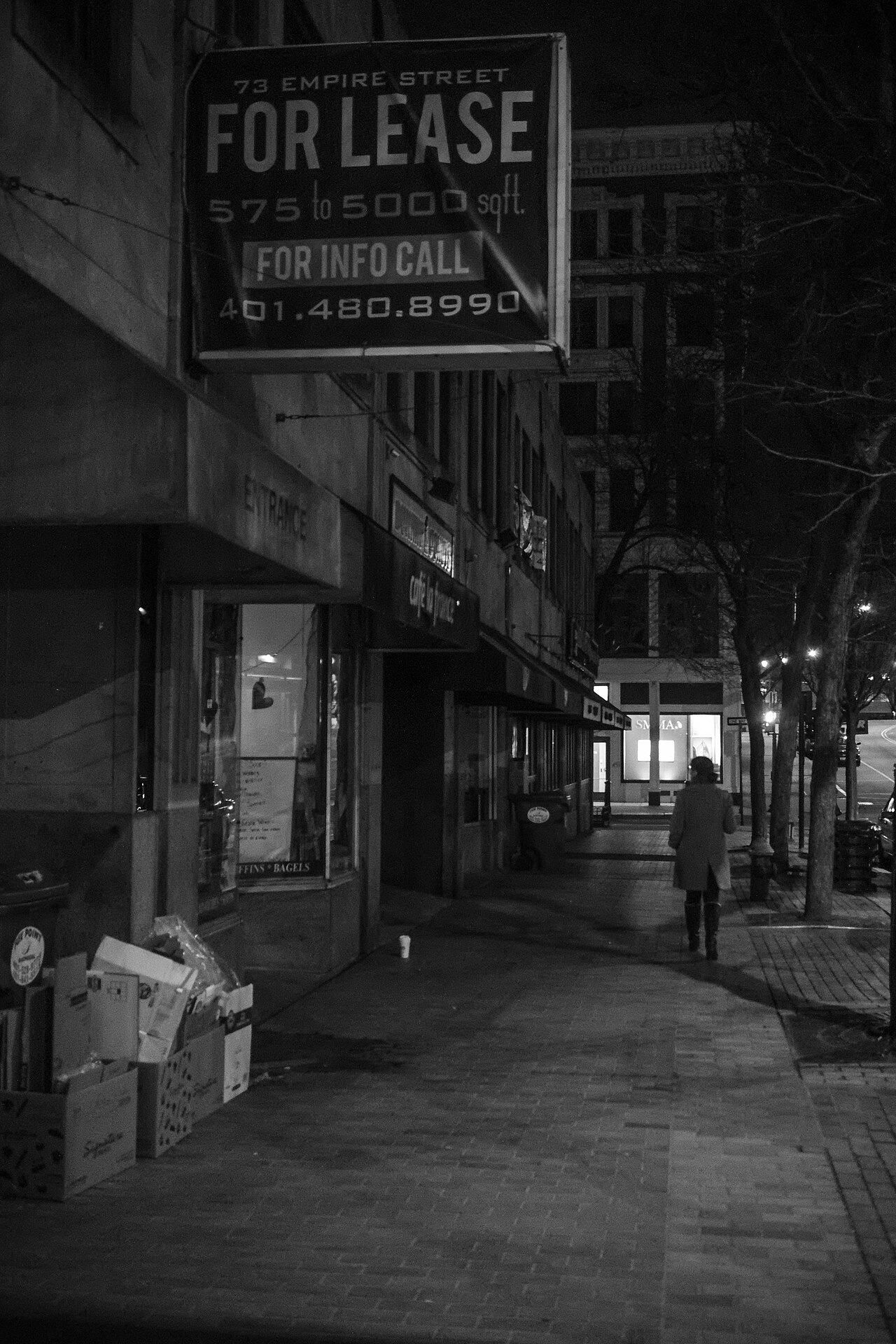
Paul Sableman · CC BY 2.0
A lease is a contractual arrangement in which the user (lessee) pays the owner (lessor) for the use of an asset. Common assets include property, buildings, vehicles, and industrial or business equipment. The lessor retains legal ownership, while the lessee gains the right to use the asset in exchange for regular rental payments and must abide by conditions such as restrictions on use. The term 'rental agreement' can refer to a lease of tangible property or a periodic lease agreement, such as a month-to-month lease.
- type
- Contractual arrangement
- parties
- Lessor (owner) and lessee (user)
- common_assets
- Property, buildings, vehicles, industrial or business equipment
- key_feature
- Lessor retains legal ownership; lessee gains right to use
- legal_nature
- Enforceable under contract law; in the US, also a conveyance of possessory rights to real estate
Lore & Background
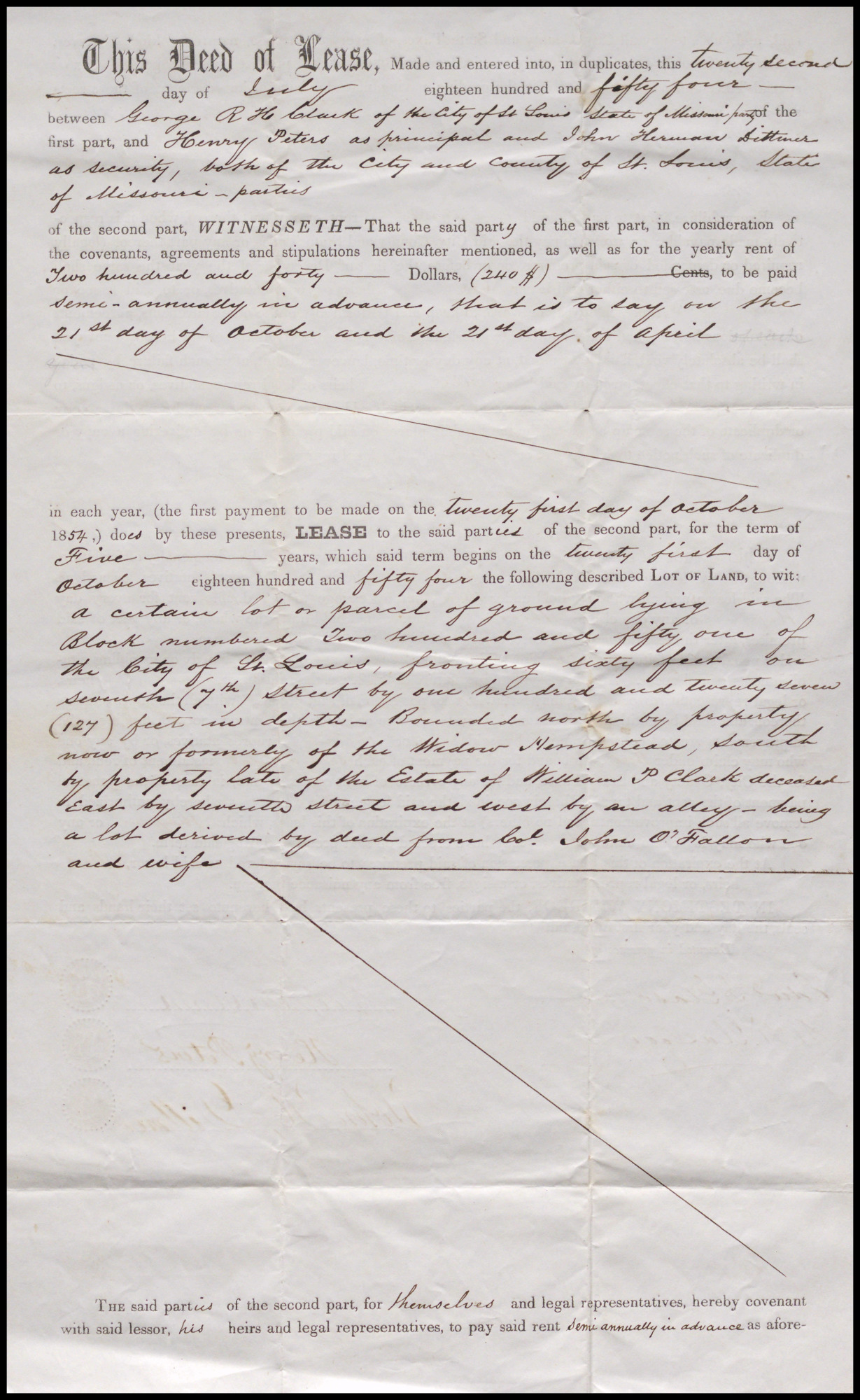
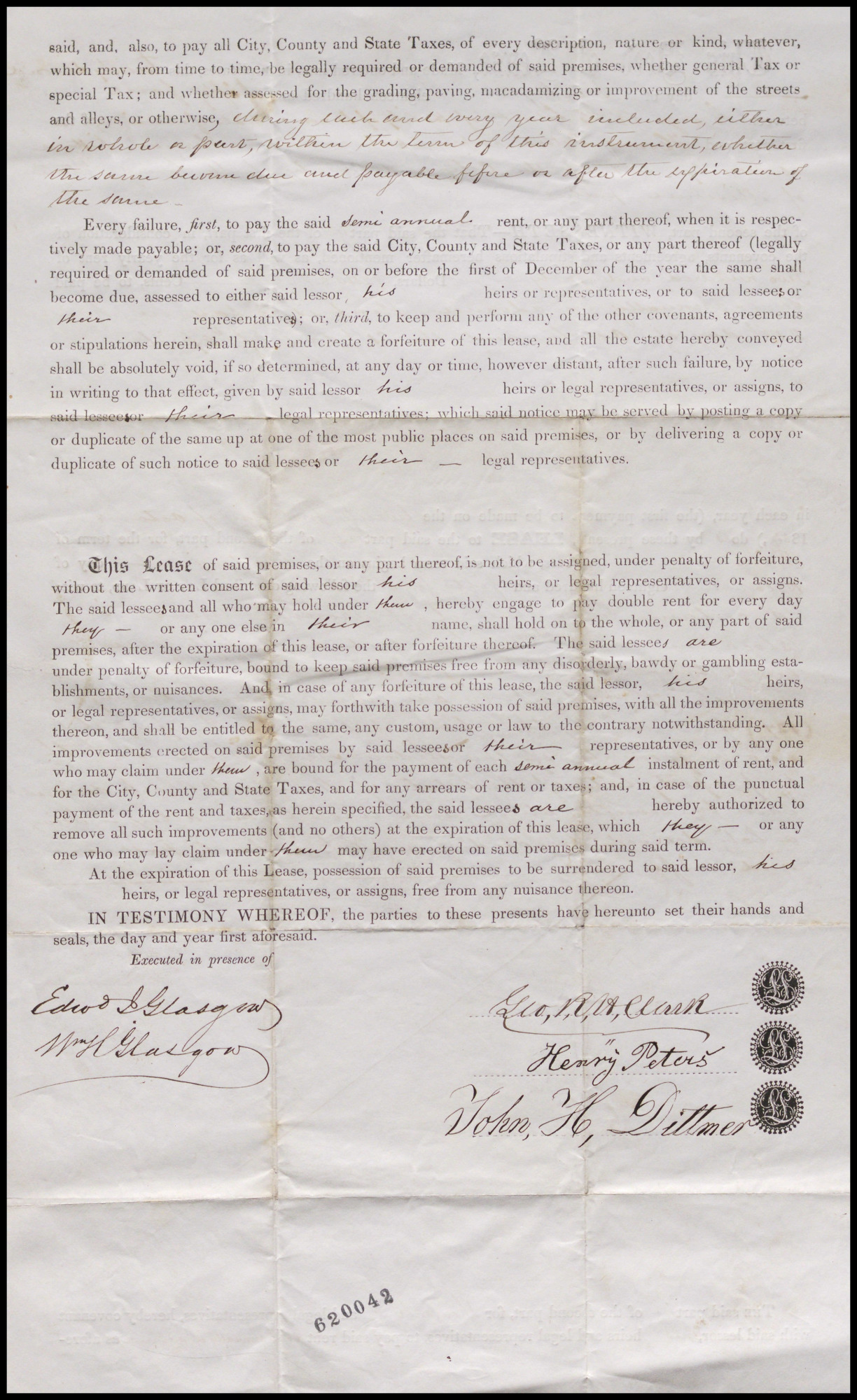
A lease is a legal contract enforceable by all parties under the contract law of the applicable jurisdiction. In the United States, it also represents a conveyance of possessory rights to real estate, making it a hybrid contract with qualities of a deed. Some leases require specific clauses by statute depending on the property, jurisdiction, and residence of the parties. Common elements include names of parties, start date and duration, identification of the object, renewal conditions, consideration (lump sum or periodic payments), security deposit terms, default conditions and remedies, and other conditions such as insurance, restrictive use, maintenance responsibilities, and termination clauses.
Reader's Guide
Leases have served many purposes over centuries, with legal regulation varying according to social and economic conditions. Historically used mainly for agricultural purposes until the late 18th and early 19th centuries, leases became important with the growth of cities in industrialized countries. The distinction between a lease and a license is significant: a lease generally provides for regular periodic payments and a specific ending date, while a license may be terminated at the will of the owner. A lease grants the tenant possession and use of the property to the exclusion of the lessor and others, whereas a license does not confer such exclusive possession. The right to sub-lease may be permitted, creating a headlease and subtenants, with laws in some jurisdictions binding subtenants to restrictive covenants of the headlease. Enfranchisement allows a tenant to obtain the landlord's title, and merger can terminate a lease when landlord and tenant become the same person.
Did You Know?
- A lease is a legal contract enforceable by all parties under contract law.
- In the United States, a lease is a hybrid contract involving qualities of a deed.
- A cancelable lease may be terminated by the lessee or lessor without penalty.
- The right to sub-lease may be permitted, creating a headlease and subtenants.
Anatomy of a Valid Lease
A lease, whether residential or commercial, is not merely a piece of paper but a legally binding instrument that must satisfy specific structural requirements to be enforceable. For a residential arrangement, the document must clearly identify the parties involved, specify the exact premises—whether an address or a defined space—and state the duration of the tenancy. That duration may be open-ended, but the document must explicitly declare it as such. While most residential agreements list a monthly or per-term rent figure, this detail is not a legal prerequisite for validity. Commercial leases carry additional mandatory elements: they must enumerate which fixtures are included in the tenancy and, unlike their residential counterparts, must spell out the rent structure. Commercial rent frequently incorporates a contingent percentage tied to gross sales or revenue, reflecting the business nature of the space. These distinctions underscore how the law tailors its requirements to the purpose of the lease.
From Conveyance to Covenant: The Evolution of Landlord Obligations
Historically, the landlord's sole obligation in the United States was to grant the leasehold estate to the tenant—a relatively narrow duty of conveyancing. England and Wales moved slightly further, with the principle established by 1829 that a landlord must actually put a tenant into possession. Over time, the legal understanding of the landlord-tenant relationship expanded dramatically. Modern jurisprudence treats a lease as containing substantial elements of contract law layered atop the traditional property conveyance. In the American context, many of these expanded rights and duties have been codified, notably through the Uniform Residential Landlord and Tenant Act. The result is a framework in which landlords carry obligations that extend well beyond simply handing over keys. These duties—delivering possession, ensuring quiet enjoyment, maintaining habitability, and providing essential services—cannot generally be waived by contract, as clauses attempting to do so are void on public policy grounds.
When the Landlord Fails: Tenant Remedies and Defenses
When a landlord neglects their legal obligations, tenants are not left without recourse. The doctrine of constructive eviction allows a tenant to raise an affirmative defense in an unpaid-rent action, arguing that the premises have become uninhabitable even though no physical eviction occurred. This defense is frequently paired with a claim that the landlord breached the implied warranty of habitability. Additionally, leases contain what are called dependent covenants: if the landlord fails to perform duties such as maintaining habitability or repairing damage, the tenant is relieved of the obligation to pay rent. In American law, the landmark D.C. Circuit decision in Javins v. First National Realty Corp. cemented the warranty of habitability as a recognized legal standard. Tenants facing severe, unremedied defects may even have the right to terminate their lease entirely, though legal counsel is advisable before taking that step. These remedies collectively ensure that the balance of power in the tenancy relationship does not tip entirely toward the property owner.
Two Traditions, One Relationship: Common Law Versus Civil Law
The governance of landlord-tenant relationships varies significantly depending on the legal tradition in which it operates. In common law systems like that of Ireland, the field draws on both the common law of real property and contract principles, though modern practice is increasingly shaped by statutory regulation. In contrast, civil law traditions such as German law govern the entire landlord-tenant relationship through statute, a framework historically rooted in Roman law and the ius commune. Within common law jurisdictions, the law also draws a sharp line between residential and commercial tenancies. Residential leases are afforded greater protections on the presumption that individual tenants face unequal bargaining power relative to landlords, and because governmental entities have recognized the sanctity of the home. Commercial leases, covering industrial, office, retail, and manufacturing spaces, are subject to far more negotiation and carry fewer consumer protections. This layered approach—comparative tradition plus the residential-commercial divide—means that two tenants in the same country can operate under meaningfully different legal regimes.
Gallery

Frequently Asked Questions
Who is Lease?
Lease is a binding contractual framework in which one party (the lessor) grants another (the lessee) the right to use a specific asset in exchange for periodic payments. Throughout the arrangement, the owner keeps legal title while the user simply gains temporary possession and usage rights.
What are Lease's powers and role?
Lease operates by separating ownership from usage, letting the lessee occupy or operate property, vehicles, or equipment without ever acquiring title. It is enforceable under contract law and, in American real estate, also functions as a conveyance of possessory rights to the land.
How does Lease's story end?
The arrangement concludes when the agreed-upon term expires or the parties mutually terminate, at which point the lessee must return the asset to the lessor. For periodic agreements such as a month-to-month tenancy, the relationship continues until either side provides proper notice of termination.
Why is Lease important?
Lease gives individuals and businesses a structured, legally enforceable way to access assets they cannot or do not wish to purchase outright. It underpins a vast portion of commercial and residential activity, from apartment tenancies to industrial equipment usage.
What are Lease's key relationships?
The two central parties are the lessor, who retains legal ownership, and the lessee, who pays rent and must comply with any usage restrictions. The assets most commonly passing through this relationship include residential property, commercial buildings, vehicles, and business machinery.
More in Civil Law And Remedies 1-20
Spotted an error? Know more?
This is a living reference — every entry is fact-audited, and reader corrections feed straight into our audit queue. Suggest an edit · See this site's audit record